The Planning Phase: Where Great Custom Builds Are Won or Lost
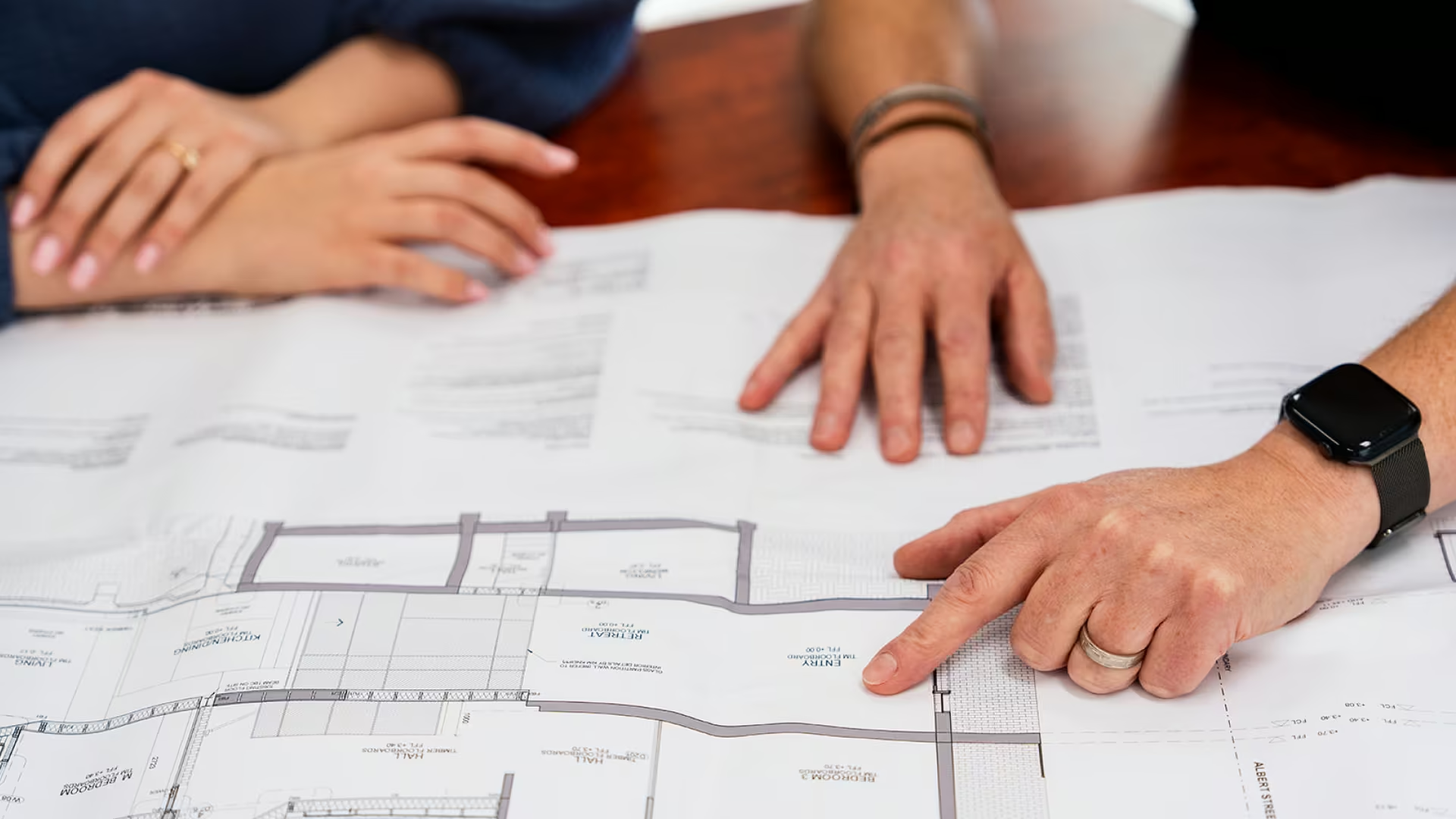
Custom home construction in Melbourne relies on an integrated team approach, where the homeowner, designer and builder collaborate from the initial concept through to handover. By finalising material selections and engineering details before construction begins, you ensure the project remains on schedule and avoids costly on-site variations.
How does the planning phase impact the success of a custom build?
In the Victorian building industry, the most successful projects are those where the "team sport" mentality is embraced early. At Transform Homes, we’ve found that involving the builder during the design stage allows for real-time feedback on buildability and cost. This collaboration between the owner, designer, and builder ensures that the transition from paper to the construction site is seamless. When the technical requirements—such as heritage overlays or specific engineering spans—are resolved early, the risk of construction delays is significantly reduced.
What factors cause a custom home project to run overtime?
Understanding the common bottlenecks in the Melbourne building process allows you to mitigate risks through proactive communication. Projects typically face delays due to a mix of external regulatory hurdles and internal selection changes.
How can I ensure my custom build project stays on schedule?
Maintaining a strict timeline requires disciplined project management and transparency. To keep your build on track, follow this strategic checklist:
- Review the Project Schedule: You should expect to see a full Gantt chart (project schedule) before signing your building contract to understand the proposed duration.
- Schedule Regular Site Meetings: Maintain consistent and regular face-to-face communication to address updates and upcoming milestones.
- Manage Variations Early: Discuss every change in terms of both its financial cost and its impact on the completion date.
- Be a Prompt Decision Maker: Quick, firm decisions on finishes prevent "dead time" on the schedule where trades are left waiting.
How do builders manage changes during construction?
It is normal for minor adjustments to happen during a custom project. However, success depends on having a builder who is confident in managing these shifts alongside a design team that can efficiently propose and sign off on revisions. At Transform Homes, we use integrated scheduling to show how a change in engineering or material selection affects the overall resource flow. This ensures that while individual tasks may shift, the team works together to meet the agreed-upon end date or finish earlier whenever possible.
Click here now to make a time for one of the Transform Homes team to go through this with you.
About the Author
Greg brings nearly 25 years of experience in the building industry, with a strong commitment to quality, craftsmanship, and practical expertise. Throughout his career, he has developed extensive knowledge across a wide range of residential and commercial building projects, earning a reputation for professionalism, integrity, and attention to detail. Through his writing, Greg shares industry insights, expert guidance, and practical advice to help homeowners make informed decisions with confidence.