Lived Experience of a Multigenerational Sustainable Home!
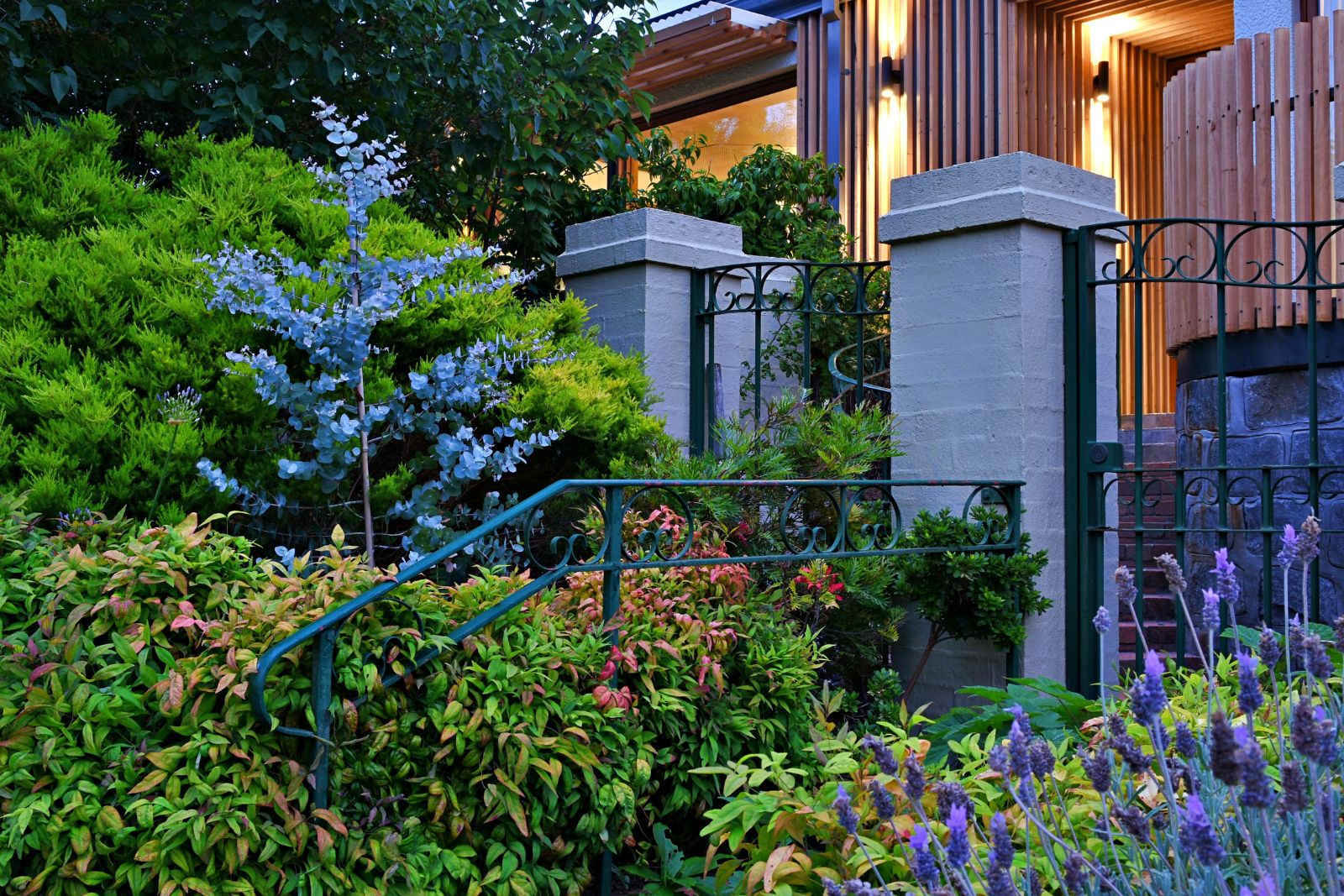
A multigenerational home can be both comfortable and sustainable when energy, water and household use are planned carefully. Solar panels, batteries, rainwater tanks, heat-pump hot water, electric vehicles and smarter appliance use can reduce running costs while supporting a larger household.
How can a multigenerational home reduce energy costs?
Living with children and grandchildren means more people, more meals, more washing and, naturally, more energy use. The good news is that a larger household does not automatically mean a larger electricity bill.
In my experience, the biggest difference comes from combining renewable energy with simple changes to when and how you use electricity.
Can solar and batteries support a large family?
Absolutely, although there are limits to how much electricity your roof can generate and how much your battery can store.
In my own multigenerational household, solar and battery storage have worked particularly well. During the day, solar generation can power the home while also charging the battery. In the evening, that stored energy can help run the oven, heating and other household appliances. This is particularly so in summer, and on sunny winter days.
On very hot Melbourne days, air conditioning increases demand. One strategy I have found effective is keeping the house cooler during the day while solar generation is high. This reduces the amount of energy needed later in the evening. Remotely monitoring your solar production and conditions in your home enable you to take advantage of surplus solar on those extra hot days. This is available as standard on many newer reverse cycle heating / cooling units or as an aftermarket add on.
Another useful strategy is charging the battery from the grid during cheaper off-peak periods when solar generation is not enough to fully recharge it. In my experience, combining solar generation with off-peak battery charging has significantly reduced the need to purchase electricity at peak rates.
How can rainwater tanks make a multigenerational home more sustainable?
Rainwater harvesting is particularly useful for a busy household because when plumbed properly, can reduce the amount of mains water used for everyday tasks.
In my home, tank water is used for:
- Flushing toilets.
- Washing clothes.
- Supporting other suitable household uses.
With a large family, the washing machine can seem to run almost constantly. Using rainwater for washing and running the machine when solar generation is available can make laundry considerably more economical.
Is a heat-pump hot water system suitable for a large family?
A heat-pump hot water system can be a very efficient option for a multigenerational household, but the system needs to be appropriately sized for the number of people using it.
From my experience, a 300-litre heat-pump system can work for four adults and two young children, although there are times when demand can put the system under pressure. Using the timer on the unit to encourage heating during high solar production periods or off-peak periods helps keep costs down. Allowing enough time for the system to recover are important considerations.
When planning alterations to an existing or a new multigenerational home, hot-water demand should be considered alongside the household size and daily routine.
How can a family reduce the energy used for washing?
Cold-water washing is one of the simplest changes a household can make. Most everyday washing can be completed effectively on a cold cycle, reducing the energy required to heat water.
The biggest savings come when several sustainable choices work together. Running the washing machine during strong solar production, using rainwater and choosing cold cycles can significantly reduce the additional energy and mains water required for laundry.
The same principle applies to dishwashers and other appliances: use them when solar generation is available where practical.
Can a multigenerational home really be environmentally friendly?
Yes, but sustainability does not mean eliminating energy use. It means using energy and water more intelligently.
A sustainable multigenerational home can combine:
- Solar generation.
- Battery storage.
- Efficient hot water.
- Rainwater harvesting.
- Energy-efficient appliances.
- Smart appliance scheduling.
- Electric vehicles.
- Simple habits such as switching off unnecessary lights and closing the refrigerator door.
There is an upfront cost involved in installing solar panels, batteries, water tanks and efficient systems. However, my experience is that the long-term benefits can make that investment worthwhile.
What should you consider when designing a sustainable multigenerational home?
The best results come when sustainability is considered during the design and planning stage rather than added as an afterthought.
For homeowners planning a multigenerational home in Melbourne and surrounding suburbs, consider:
- How many people will regularly live in the home?
- How much hot water will the household need?
- How much roof space is available for solar?
- What battery capacity is appropriate?
- Can rainwater be collected and reused?
- When will the household use the most electricity?
- Can appliances be operated during periods of strong solar generation?
- Choose energy efficient appliances (like heat pumps)
- How will heating and cooling affect energy demand?
A well-designed multigenerational home can comfortably accommodate more people without automatically creating excessive energy and water costs. It takes some upfront investment and a little household discipline, but in my experience, the combination of good design, renewable energy and smarter everyday habits can make multigenerational living surprisingly sustainable—and perhaps even a little easier on the household budget.
Many of these considerations are considered when the energy report is produced as part of your permit documentation. The intent of this document is to confirm how it will perform in reality.
Click here now to make a time for one of the Transform Homes team to go through this with you.
About the Author
Greg brings nearly 25 years of experience in the building industry, with a strong commitment to quality, craftsmanship, and practical expertise. Throughout his career, he has developed extensive knowledge across a wide range of residential and commercial building projects, earning a reputation for professionalism, integrity, and attention to detail. Through his writing, Greg shares industry insights, expert guidance, and practical advice to help homeowners make informed decisions with confidence. In this article he leans on his experience as a grandfather living in a multigenerational home.