How We're Achieving Even Better Than a 97.59% Recycling Rate
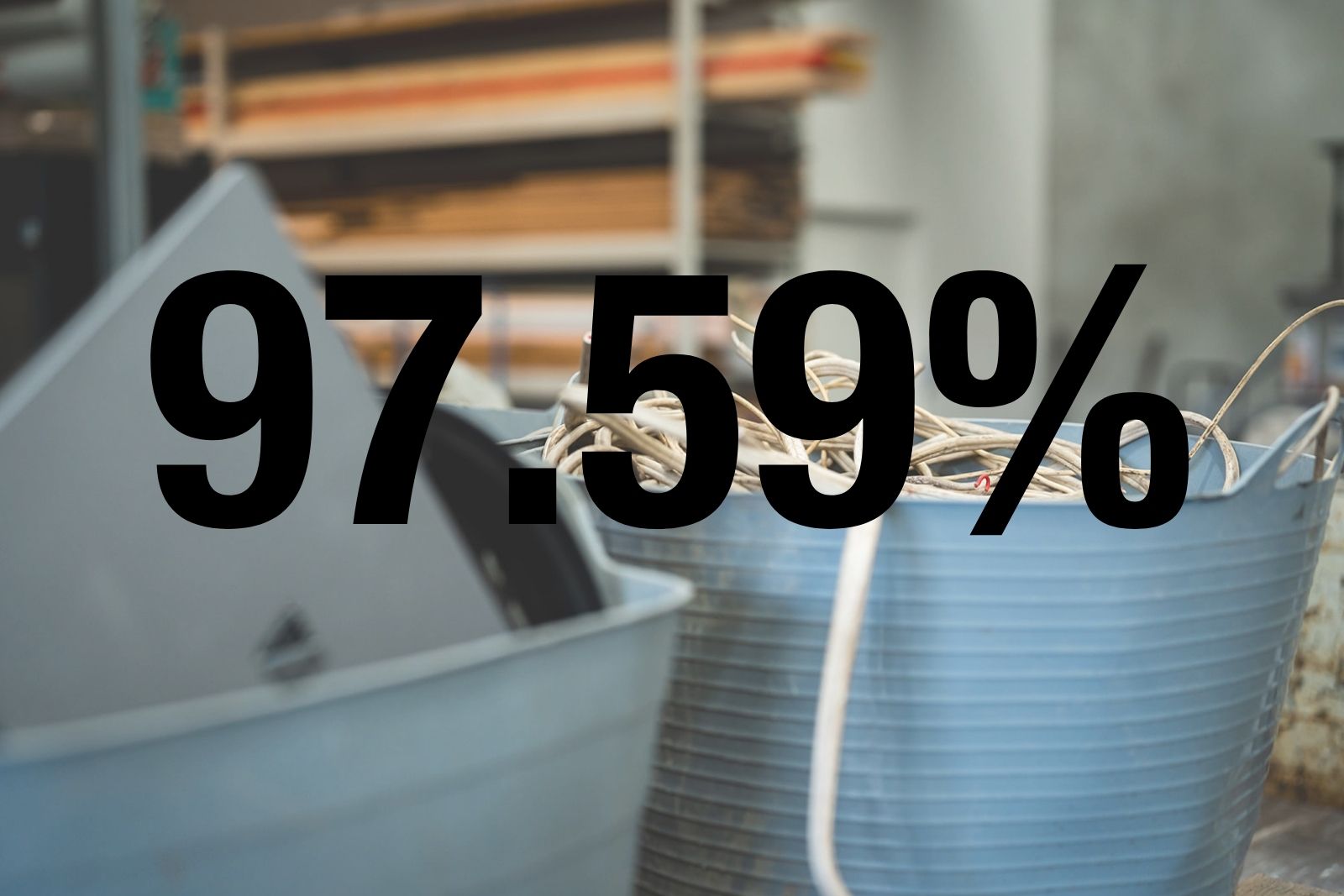
I just received the monthly recycling report for one of our projects in Coburg.
I wanted to share how proud I am of that report. It reported a 97.59% recycling rate through our waste manager, BINGO. But that figure doesn’t include the cardboard, steel and copper we had already removed and recycled separately before those materials even reached the waste bins! So the 97.59% reported by BINGO is not our total recycling percentage. It represents the recycling achieved from the waste that actually made it into those bins.
When we add the cardboard, steel, copper and other materials we've already separated, our overall diversion from landfill is significantly higher.
So, how are we achieving such high recycling rates?
Across every Transform Homes project, we separate materials such as:
- Cardboard – removed from site and returned to our factory for recycling while it’s still dry, clean and intact.
- Steel – separated and sent into a dedicated recycling stream.
- Copper – recovered separately and recycled.
- Other recyclable materials – identified and separated wherever practical.
This means the 97.59% reported by BINGO is not our total recycling percentage. It represents the recycling achieved from the waste that actually made it into those bins.
How does BINGO help us achieve these results?
Our main waste-removal partner is BINGO, and we receive reports for the bins collected from our projects. Those reports have been consistently showing recycling rates in the mid-to-high 90s, which is fantastic to see. What I particularly like about our approach is that we're tackling waste from both directions - we separate recyclable materials before they reach the bin, and BINGO then recovers as much as possible from the remaining waste. That combination is helping us achieve these seriously impressive results.
Why do we separate cardboard, steel and copper ourselves?
Well, for me it’s simple, sustainable building means being proactive.
If we already know that a material can be recycled, we don't want to simply throw it into a general waste bin and hope it gets recovered later. We separate it at the earliest opportunity and make sure it goes into the appropriate recycling stream.
A good example of this is cardboard, as you can imagine, it turns to mush when it gets wet and contaminated with other waste in a bin – and at that point it would end up in landfill. So we separate and recycle it early. Simple!
And importantly, this isn't something we're doing on just one project because we've received a great report. It's part of how we manage waste across all of our projects at Transform Homes.
How does this fit into building a sustainable home?
Sustainability isn't just about creating an energy-efficient home.
I believe we also need to think about how we build the home—including the materials we use, the waste we create and what happens to that waste once it leaves our sites.
At Transform Homes, we're constantly looking for practical ways to improve our building processes and reduce our impact. We're looking at waste throughout the entire construction process and finding opportunities to recover materials at every stage. For me, that's what sustainable building should be about.
If you're planning to build in Merri-bek, Banyule, Darebin, Nillumbik, Moonee Valley, Yarra, or elsewhere across Melbourne northern or north eastern suburbs and if sustainability matters to you, get in touch with Transform Homes. We'd love to show you how we're thinking about the whole picture—from energy efficiency to construction waste.
About the Author
Greg brings nearly 25 years of experience in the building industry, with a strong commitment to quality, craftsmanship, and practical expertise. Throughout his career, he has developed extensive knowledge across a wide range of residential and commercial building projects, earning a reputation for professionalism, integrity, and attention to detail. Through his writing, Greg shares industry insights, expert guidance, and practical advice to help homeowners make informed decisions with confidence.