How Can You Make Sure Your Home Design Is Right Before Building?
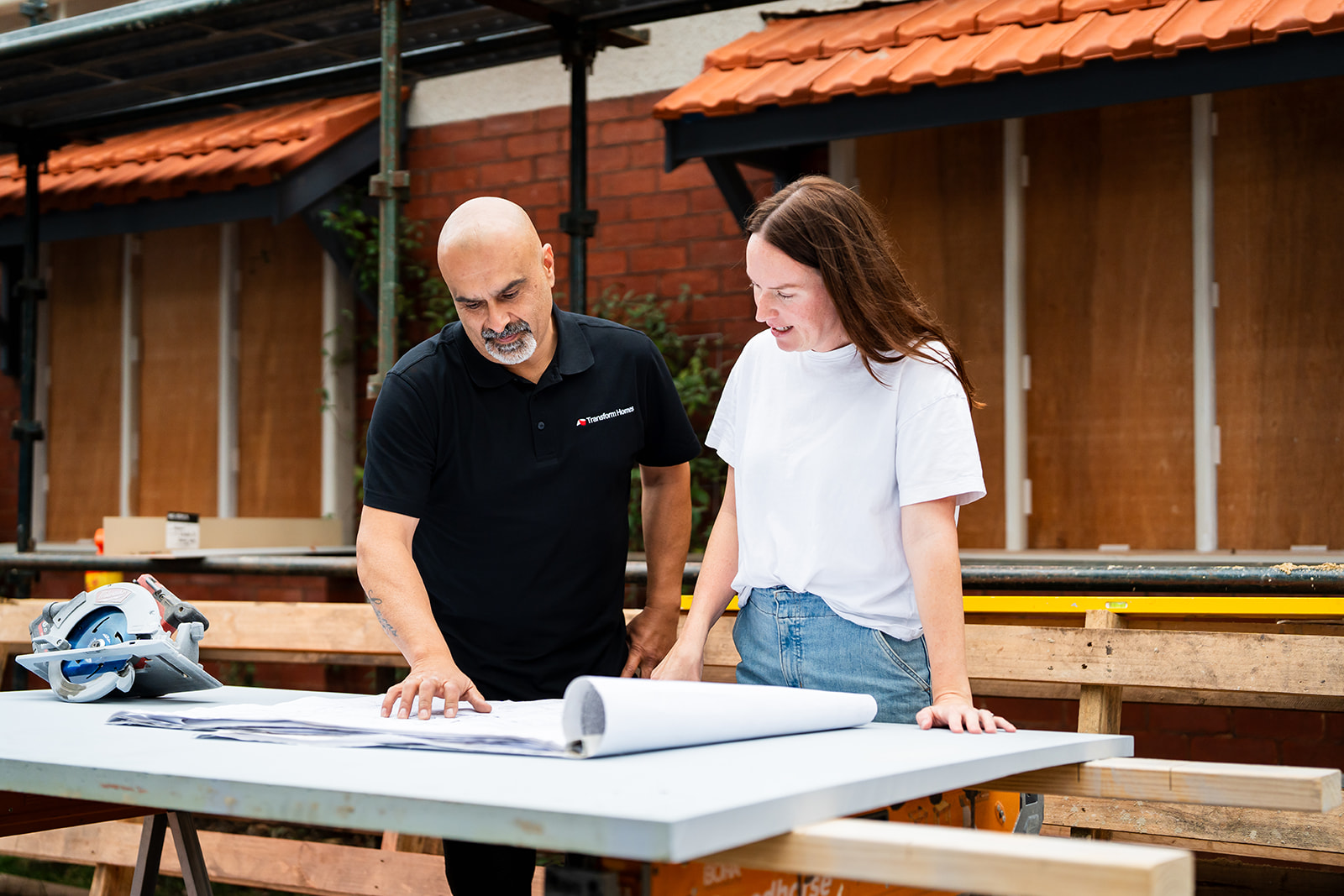
The best way to get your home design right is to involve your builder early, when ideas are being discussed, and well before plans are being finalised. Transform Homes combines your lifestyle needs, site conditions, buildability, materials and budget from the outset, helping identify challenges early and create a practical, achievable design.
Why Should You Engage Your Builder Early in the Design Process?
A successful home build starts with a well-considered design. Involving Transform Homes early allows design decisions to be assessed alongside construction requirements, site conditions and budget — rather than after the plans are complete.
Our approach is based on 50 years of combined experience helping homeowners through the design and building process. We work collaboratively with you to understand:
- How you and your family live
- Your priorities for the home
- Your site's opportunities and constraints
- Your budget and project priorities
- What is practical and achievable to build
- How the design will perform over time
Whether you're planning a new home, extension or renovation, getting these fundamentals right early can reduce surprises, improve decision-making and create a smoother construction process.
What Should Your Home Design Consider?
A good design should reflect more than the appearance of your home. It should respond to the way you live now, how your needs may change, and the practical requirements of the property.
Transform Homes explores key lifestyle considerations such as:
Every household has different priorities, so the design process needs to be tailored to the people who will live in the home.
How Does Transform Homes Connect Lifestyle Requirements With Buildability?
Early builder involvement helps connect lifestyle decisions with the technical requirements of construction.
Transform Homes considers factors including:
- Lifestyle: How you use your home and what spaces you need.
- Site: The opportunities, constraints and physical characteristics of your property.
- Orientation: How the home can respond to sunlight, views, prevailing conditions and energy efficiency.
- Structure: How the design can be practically and efficiently constructed.
- Materials: Which materials and finishes are appropriate for the design, budget and site.
- Buildability: Whether the proposed design can be constructed efficiently and realistically.
- Budget: How design decisions affect the overall project cost.
Considering these factors together can identify opportunities and potential problems before construction begins.
How Site Conditions Can Affect Your Home Design
Every building site has its own requirements. Conditions that can influence the design and construction process include:
- Sloping or difficult blocks
- Bushfire Attack Level (BAL) requirements
- Limited site access
- Soil conditions
- Heritage Overlays
- Rock
- Easements
- Existing trees
- Drainage and other site-specific constraints
- Town Planning requirements
Identifying these factors early is important because changes can become more difficult and expensive once the design has progressed or construction has started.
Transform Homes uses its building experience to identify these considerations early and incorporate them into the design rather than treating them as problems to resolve later.
How Does Early Builder Involvement Help Control the Budget?
Design and budget are closely connected. Transform Homes remains involved at key stages, from project initiation and preliminary design through to finalising the plans, helping assess how design decisions affect the overall project.
Early involvement can help you:
- Understand the cost implications of design choices.
- Identify potential construction challenges before committing to a design.
- Prioritise features according to your budget.
- Make better-informed decisions about materials and finishes.
- Reduce the risk of discovering significant cost issues late in the process.
This approach helps ensure the design is not only desirable, but financially and practically achievable.
Who Should Be Involved in the Home Design Process?
A successful home design often requires input from several specialists. Rather than simply providing a set of sketches and leaving you to coordinate the technical details, Transform Homes works with you and their experienced network including:
- Draftspersons
- Engineers
- Soil testers
- Energy raters
- Surveyors
- Experienced designers
- Selected suppliers
Bringing these specialists together early allows different aspects of the project to be considered as one coordinated process.
How Can Transform Homes help with the selection of Fixtures, Finishes and other Selections?
Transform Homes has a trusted network of selected suppliers who can assist with important selections, including:
- Plumbing fixtures
- Electrical fixtures
- Tiles
- Floor coverings
- Appliances
- Other finishes and materials
If you are time-poor or would like additional guidance, experienced designers can also assist with the finer details and selections.
This gives you access to specialist knowledge while keeping the practical requirements of the build in view.
What Are the Benefits of Having Transform Homes Involved From the Start?
Having Transform Homes closely involved during design helps bring design and construction together from the beginning.
The result can be:
- Earlier identification of site and construction challenges
- Better-informed design decisions
- Greater alignment between design and budget
- Practical and achievable plans
- Fewer unexpected issues during construction
- Better coordination between specialists
- A smoother transition from design to construction
The objective is not simply to create a design that looks good on paper. It is to develop a home that is beautiful, practical, buildable and suited to the way you live.
Why Does the Design Process Matter So Much?
The strongest home designs consider the whole project rather than treating design and construction as separate stages.
By involving Transform Homes early, your lifestyle requirements can be considered alongside site conditions, structure, orientation, materials, energy performance, construction requirements and budget.
That collaborative approach helps turn the initial idea for your home into a design that is considered from every angle — giving you greater confidence before construction begins.
Why Choose Transform Homes for Your Home Design and Build?
Transform Homes takes a collaborative approach to home design, new builds, extensions and renovations, working with homeowners and experienced specialists from the early stages of a project.
By bringing building expertise into the design process early, Transform Homes helps connect your ideas and lifestyle with the realities of your site, construction requirements and budget — creating a stronger foundation for the finished home.
About the author
Greg brings nearly 25 years of experience in the building industry, with expertise across residential and commercial building projects. His experience covers quality construction, craftsmanship, practical building knowledge and attention to detail. Through his writing, Greg shares practical industry insights and guidance to help homeowners make informed decisions throughout the design and building process.